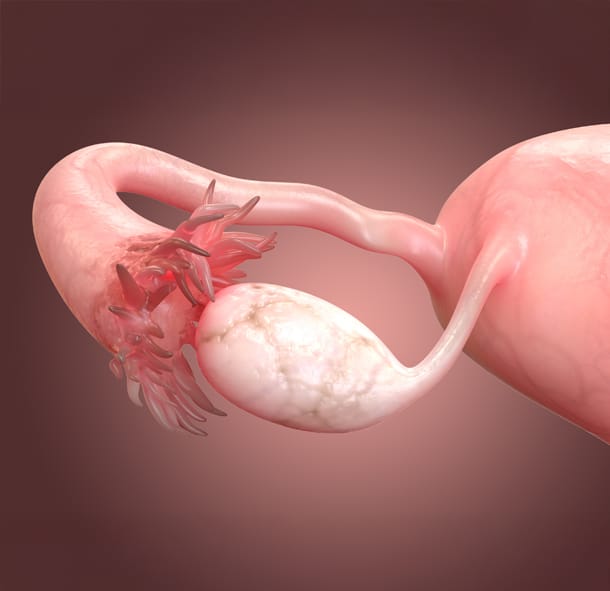

The female reproductive system contains two fallopian tubes, which form a passage from each ovary to the uterus. The fallopian tube is involved in:
Tubal ligation is a permanent form of contraception for women, also known as laparoscopic sterilisation. Colloquially, it may also be called “having your tubes tied”. Tubal ligation is considered by women who have completed their families and do not wish to have any more children.
The fallopian tubes play a crucial role in pregnancy as it is the only route for a mature egg to leave the ovary and become available for fertilisation by sperm. The tubal ligation procedure blocks or cuts the tubes so that the egg and sperm can no longer meet.
The tubal ligation procedure is performed under general anaesthesia and involves:
The benefit of laparoscopic surgery is that it is a minimally invasive technique, reducing complications and the recovery time compared to open surgery (laparotomy). Most people go home on the same day as their tubal ligation procedure and can return to work around a week later. You may feel some abdominal pain for a couple of days, which can generally be managed with over-the-counter painkillers.
Tubal ligation reversal surgery is designed for women who have undergone tubal ligation but later change their minds about wanting to have more children. This procedure aims to restore the function of the fallopian tubes, whether through reopening or reconnecting them.

The success of the tubal reversal procedure and subsequent ability to fall pregnant depends on:
It’s important to remember that tubal ligation reversal is not guaranteed to restore your fertility. Only about half the women who undergo a reversal procedure are able to conceive afterward.
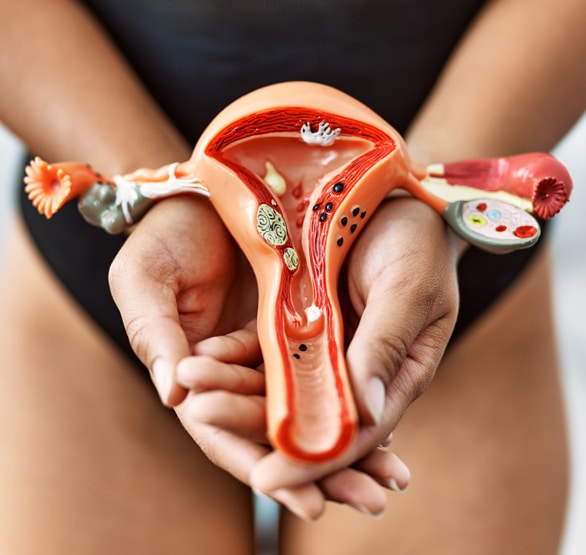
Fallopian tube repairs and reconstruction are surgical procedures aimed at fixing damaged or blocked tubes and restoring normal fertility. Up to a third of women experiencing fertility problems are affected by issues with their fallopian tubes.
Tubal infertility may be caused by:
If you are having difficulty falling pregnant, the first step is a fertility consultation with Dr Marren. The right investigations can confirm whether the problem stems from your fallopian tubes as well as the nature and extent of the condition. Depending on exactly what your tests uncover, among other techniques, he may recommend:

The damaged section of tube is removed and the two healthy ends surgically joined together.
Involves removing the fallopian tube entirely. Although this sounds counterintuitive to improving fertility, it may be used to treat a hydrosalpinx (accumulation of fluid in the fallopian tube) that is interfering with the success of IVF.
The fimbriae are finger-like projections at the end of the fallopian tubes closest to the ovary. These fimbriae pick up the mature egg from the ovary and draw it into the tube. A fimbrioplasty reconstructs damaged or blocked fimbriae to improve their ability to grab the egg.

Note that while these procedures are intended to improve your ability to conceive, they do come with their own risks, such as infection, unintentional damage to surrounding structures, or an increased risk of an ectopic pregnancy. A tubal repair or reconstruction cannot guarantee a successful pregnancy.

Given that tubal factors account for around 30% of female infertility causes, I have developed significant expertise and experience in guiding women through their treatment options for tubal infertility. When it comes to tubal ligation and tubal ligation reversals, my commitment is to ensure you feel fully informed and supported in making the decisions that are right for you and your family.
Tubal ligation is performed under general anaesthesia, so you shouldn’t feel any pain or discomfort during the procedure itself. Post-operatively, you may experience some abdominal discomfort and cramping, which typically resolves within a week and can be managed with pain relief such as paracetamol.
Tubal ligation is over 99% effective at preventing pregnancy but is not quite 100%. Having tubal ligation surgery also slightly increases the risk of an ectopic pregnancy (where a fertilised egg implants in the fallopian tube instead of the uterus).
If the tubal ligation reversal is performed laparoscopically (with keyhole incisions), recovery usually takes around a week. During this time, your incision may feel sensitive and sore, which can be managed with over-the-counter painkillers.
An ectopic pregnancy occurs when a fertilised egg implants anywhere outside the uterus; usually this abnormal implantation happens in the fallopian tubes. An ectopic pregnancy is a life-threatening emergency, as it can cause severe bleeding if untreated.