


Reproductive carrier screening is a genetic test that checks if you or your partner carry genes for certain inherited conditions. If both of you are carriers for the same condition, there’s a risk your child could be affected. It can help you make informed choices about family planning and options like IVF with genetic testing if needed.
Women are born with their lifetime supply of eggs, which gradually decline both in number and quality over time. The AMH test measures a hormone in your blood to check your ovarian reserve i.e how many eggs you have left. Although AMH testing does not predict the likelihood of natural conception or pregnancy, it can help inform fertility planning and treatment options.
Evaluates hormones like FSH, LH, AMH, estradiol, and prolactin to assess ovarian reserve, ovulation, and hormonal balance. In the male partner, this measures testosterone and other hormones influencing sperm production.
Pelvic ultrasound is a routine investigation for women having their fertility investigated. This includes the vagina, cervix, uterus, fallopian tubes, ovaries and other pelvic structures.
Minimally invasive procedures to diagnose and treat pelvic abnormalities, including endometriosis, adhesions, and fibroids.
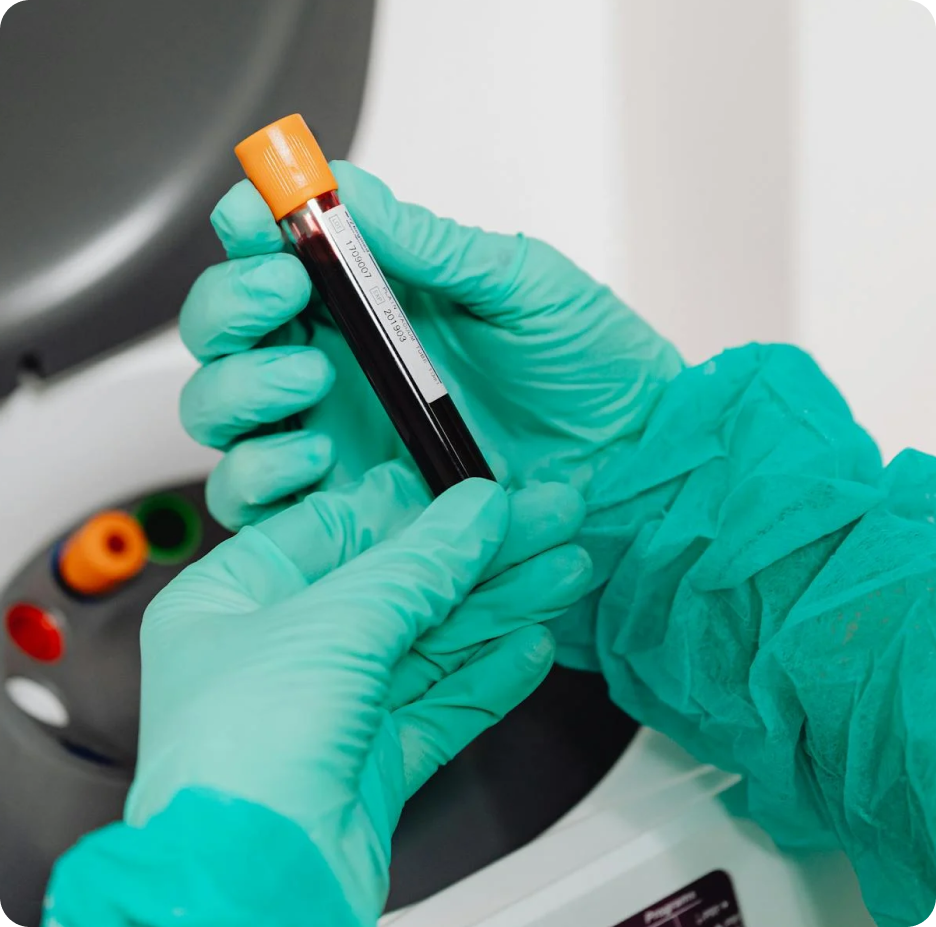
Blood and urine tests for fertility help understand how well a person's reproductive system works. Blood tests check hormone levels that are important for ovulation and overall reproductive health, while urine tests often involve kits that identify the best days to try to conceive.
Male infertility is the second highest cause of infertility, second to the age of the female partner. Sperm analysis and testing is an essential step towards your future family, starting with a semen sample. That sample will reveal the quantity of the sperm (concentration), the movement of the sperm (motility), the shape of the sperm (morphology) and potentially any notable DNA damage.
Your fertility journey begins with a consultation to discuss your health history, any challenges you’ve faced while trying to conceive, and other concerns. This is your chance to ask questions and share symptoms or experiences. The goal is to understand your unique situation and set the stage for personalised care.
Following your consultation, we will design a fertility test plan that’s tailored to your needs. This plan may include:
Sperm analysis (if applicable) to evaluate sperm health and functionality.
This comprehensive approach ensures all aspects of your fertility are carefully assessed.
When your test results are ready, we will go through them together in detail. You’ll learn what each finding means for your fertility and how it might influence your journey to parenthood.
This is also the time to explore possible next steps, which may include:
Lifestyle adjustments to optimise your reproductive health
Medical treatments or interventions to address specific concern
Exploring assisted reproductive technology (ART) options like IVF or IUI, if needed
I will provide continuity of care throughout this process and give you the information and resources you need to feel empowered and supported throughout.

As a specialist in male and female fertility, I have dedicated my life to helping couples who have always dreamt of starting a family. I deliver the highest quality care which is tailored specially to meet your personal health needs and fertility journey. With a range of fertility treatments and preservation methods, my mission is to give you the best possible chance of conceiving.
I understand that seeking fertility treatments in Sydney is more than just a medical process; it is a journey that can be both physically and emotionally taxing. My team and I are dedicated to supporting you throughout your entire fertility journey.